


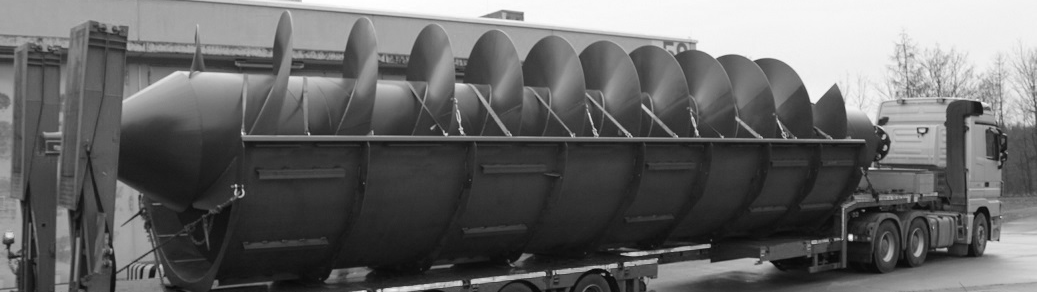
The Archimedean screw pump is attributed to mathematician and inventor Archimedes who lived in the third century BCE. Archimedes was asked to design an instrument to remove water from the hold of a large ship. However, there is some evidence that screw pumps were used as irrigation tools as early as the seventh century BCE. Archimedes did not claim credit for the screw pump. It was Diodorus of Sicily, a Greek historian who wrote that Archimedes had invented the pump.
The Archimedean screw pump is still one of the most efficient pumps in the world today and is used primarily in for wastewater and drainage.
Showing all 3 results
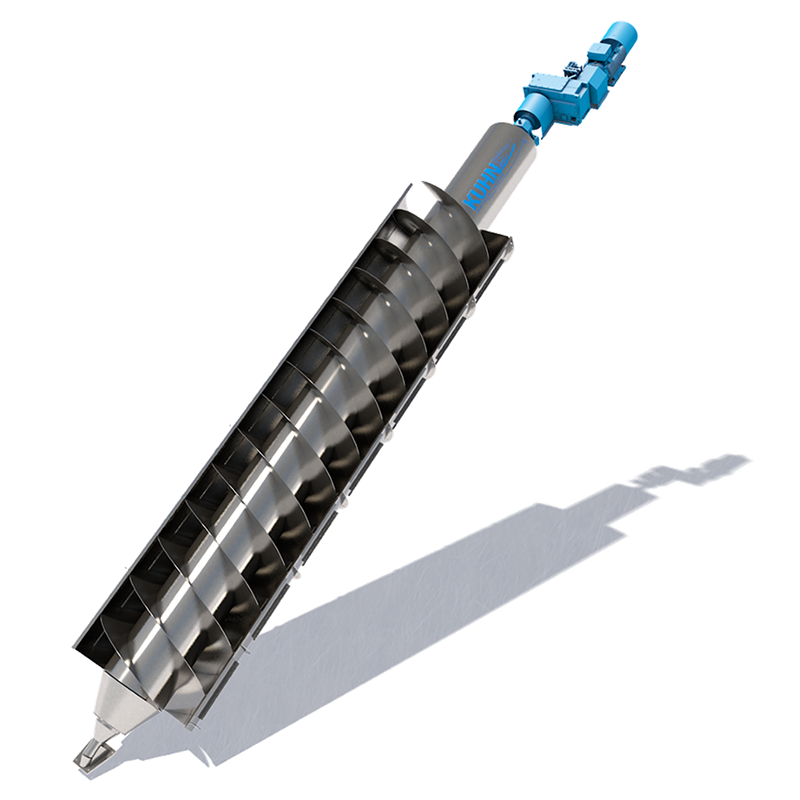
The power-generating Kuhn KWKS Hydropower Screw Pump is sustainable, efficient, reliable and economical. Powered by the height difference of the water and a flat angle of installation, the mechanical force of the water is converted into electrical energy and heat.
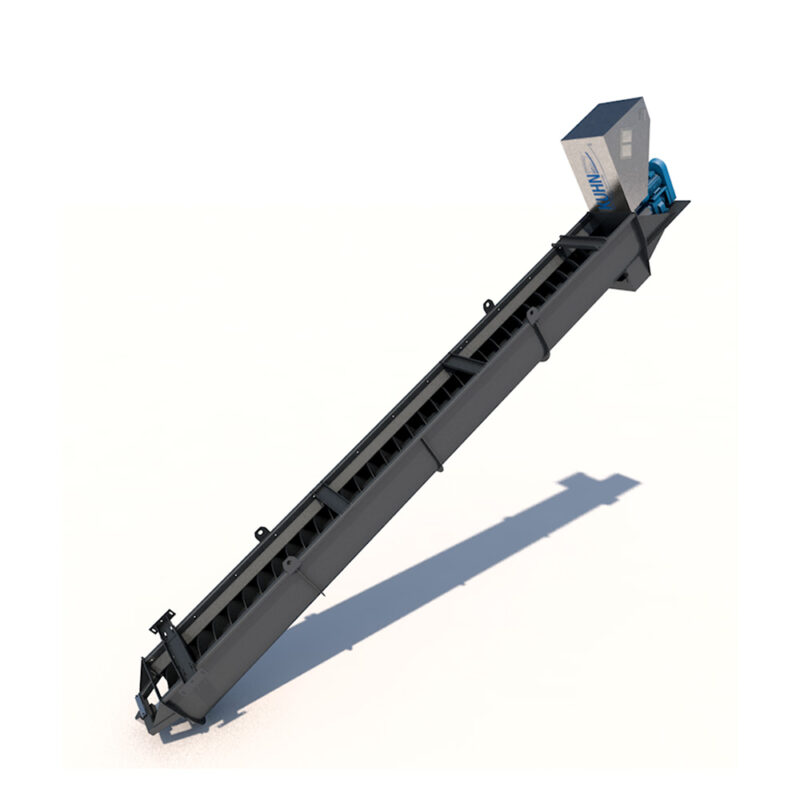
The Kuhn KWS Archimedean Screw Pump is unsurpassed by any other type of pump in terms of technology and efficiency. Operational reliability combined with a long service life makes it an economical conveying system – especially for wastewater.
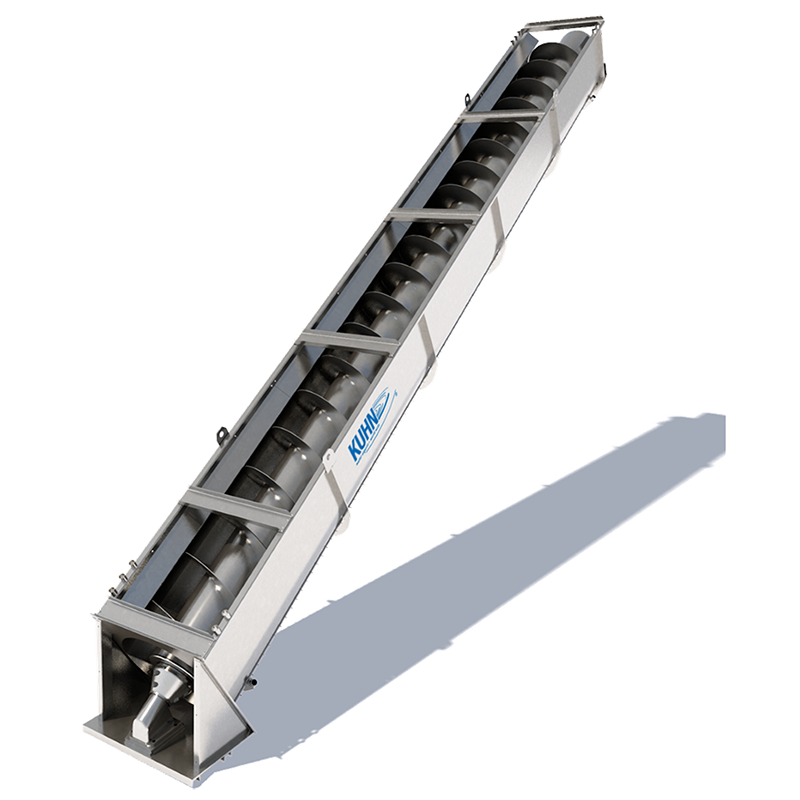
The Kuhn Hybrid Screw Pump uses the screw trough as a large-surface heat exchanger by integrating water-conveying channels. In the secondary circuit water flows along the rear side of the trough and takes up wastewater heat. It then is transported to a commercial heat pump where the temperature level is increased and supplied to the consumer for use. This process does not impair the primary function of the screw.

Phone: 1800 739 243
Email: info@processww.com
International
Australian Office: +61 3 8907 8580
New Zealand Office: +64 3 660 0294